When considering plumbing maintenance, the initial costs can seem daunting. Homeowners in Minneapolis, MN often find themselves weighing immediate expenses against potential long-term benefits. A proactive approach to plumbing maintenance can significantly impact both the health of your plumbing system and your overall finances. Understanding how proper care translates into savings, convenience, and longevity helps clarify whether the cost is indeed worth it.
The Importance of Plumbing Maintenance
Plumbing systems are intricate networks that play a vital role in our daily lives. They deliver clean water for drinking, cooking, and bathing while removing wastewater efficiently. However, like any other system in a home, plumbing requires regular attention to function optimally. routine plumbing maintenance checklist Neglecting this aspect can lead to costly repairs down the line.
Routine plumbing maintenance encompasses various tasks designed to keep your system running smoothly. This includes inspections, cleaning drains, checking for leaks, and ensuring that all components are functioning as intended. Regular assessments allow you to spot minor issues before they escalate into major problems.
The Financial Perspective
At first glance, committing to a plumbing maintenance program may feel like an unnecessary expense. However, understanding the financial implications reveals a different story. Preventive plumbing maintenance typically costs less than emergency repairs or replacements resulting from neglect.
For example, consider the common issue of a slow drain. Many homeowners might ignore this symptom until it becomes a full-blown clog requiring professional intervention. A simple drain cleaning service could range from $100 to $300, while dealing with extensive damage caused by backed-up sewage or pipe bursts can easily exceed $1,000 in repairs—potentially even more if structural damage occurs.
Investing in scheduled plumbing maintenance can reduce these risks significantly. A well-structured service plan often includes annual inspections at a predictable cost that can save money over time when compared with reactive repairs.
Proactive vs. Reactive Maintenance
Proactive plumbing maintenance focuses on preventing problems before they arise. This approach includes scheduled inspections and routine checks of your plumbing system to identify vulnerabilities early on. On the other hand, reactive maintenance involves addressing issues only after they occur—a strategy that often leads to larger expenses and inconveniences.
Consider a homeowner who opts for a preventive service plan versus one who waits for something to break down first. The proactive homeowner might spend around $200 annually on planned plumbing maintenance which includes regular inspections and minor adjustments. In contrast, when a major leak occurs due to lack of attention, the reactive homeowner could face emergency repair bills ranging from $500 to several thousand dollars depending on damage extent.
What Does Planned Plumbing Maintenance Entail?
A comprehensive plumbing service plan typically covers several key areas:
Inspection: Regular evaluations help identify potential issues such as leaks or corrosion. Cleaning: Routine cleaning of drains prevents buildup that could lead to clogs. Repairs: Addressing minor leaks or cracks immediately prolongs the life of pipes. Upgrades: Keeping fixtures updated ensures efficiency and compliance with modern standards. Documentation: Maintaining records of services performed aids in tracking issues over time.These elements contribute not only to maintaining functionality but also enhance property value—a crucial consideration for those looking to sell their homes in the future.
Impact on Home Value
Investing in proactive plumbing care does not just prevent headaches; it also preserves or enhances your home's market value. Prospective buyers often seek homes with well-maintained systems because they provide peace of mind regarding potential hidden costs after purchase.
In fact, real estate agents frequently advise sellers to have their plumbing inspected before listing their properties as part of an overall home inspection process. A clean bill of health from a professional plumber assures buyers that they will not be facing unexpected repairs shortly after moving in—this can be an essential selling point.
Environmental Considerations
The environmental impact of proper plumbing maintenance should not be overlooked either. By ensuring efficient water flow and minimizing leaks through regular inspections and repairs, homeowners contribute positively toward conservation efforts.
For instance, even a small leak can waste significant amounts of water over time—upwards of 10 gallons per day for just one dripping faucet adds up quickly! By focusing on preventive measures like timely repairs and upgrades (such as installing low-flow fixtures), households reduce their water usage significantly while lowering utility bills simultaneously.
Real-World Anecdotes
Homeowners who have adopted routine plumbing maintenance share insights into how this practice benefits not only their wallets but also their overall quality of life:
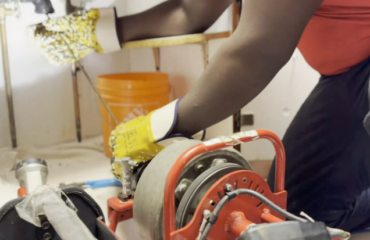
One Minneapolis family decided to enroll in a preventive maintenance program after experiencing frequent drain backups during heavy rains—an issue that disrupted their daily activities multiple times each year. After the first year of consistent upkeep through their service agreement, they noticed fewer blockages and improved water flow throughout their home; what was once an inconvenience became manageable through simple ongoing care.
Another homeowner recounts how scheduling annual inspections led them to discover hidden corrosion within piping that could have resulted in costly leaks had it gone unnoticed for much longer—a testament to how proactive measures safeguard against unforeseen disasters.
Choosing Your Plumbing Service Plan
Selecting an appropriate plumbing service plan involves evaluating several factors unique to your household needs:
System Age: Older systems may require more frequent inspections due to wear and tear. Previous Issues: If you've experienced frequent problems in specific areas (like bathrooms), prioritize those during planning. Water Quality: Hard water deposits may necessitate additional treatment options included within agreements. Budget Considerations: Determine what you can comfortably allocate towards preventive care without stretching finances thin. Local Climate Factors: In regions prone to extreme weather fluctuations (like Minneapolis), consider plans tailored for seasonal changes affecting pipe integrity.
Collaborating with local plumbers familiar with Minneapolis' climate nuances enhances decision-making processes regarding ideal schedules based around weather patterns known for impacting drainage systems negatively during harsh winters or heavy spring thaws.
Conclusion
Ultimately assessing whether investing in proper care is worthwhile hinges on understanding both immediate costs versus long-term savings alongside enhanced living experiences gained through routine upkeep practices tailored specifically towards individual needs within unique environments such as those found across Minnesota’s diverse neighborhoods today!
By embracing planned preventive measures now instead waiting until crises arise later down road ahead allows homeowners take control over situations rather than becoming victims unforeseen failures result from neglecting our most essential utilities—ensuring peace mind knowing everything working order while enjoying benefits derived from smart decisions made proactively!